Mongolia Begins Study on Coal-to-Liquid Fuel Plant
 Ч.Сумъяабазар
08 сарын 29, 2026

Mongolia has begun exploring the possibility of building a plant to convert coal into liquid fuels, as the country seeks to reduce its heavy dependence on imported petroleum products. The Ministry of Industry and Mineral Resources has proposed that China Energy conduct a feasibility study for such a project, drawing on the company’s existing coal-to-liquid operation in Inner Mongolia.
Mongolia’s Minister of Industry and Mineral Resources G.Damdinnyam met representatives of a subsidiary of China Energy on August 25 to discuss the possibility of introducing coal-to-liquid technology in Mongolia.
According to the ministry, the minister proposed that the Chinese side conduct a study on the conditions and feasibility of establishing a coal liquefaction plant in Mongolia and prepare a new technical and economic feasibility study.
The Chinese side agreed to conduct the necessary research and calculations and present the findings to the Mongolian authorities.
No decision has yet been made to build the plant. The current development is at the study and feasibility assessment stage.
The proposal comes as Mongolia is facing renewed pressure over fuel supplies and remains heavily dependent on imports, particularly from Russia.
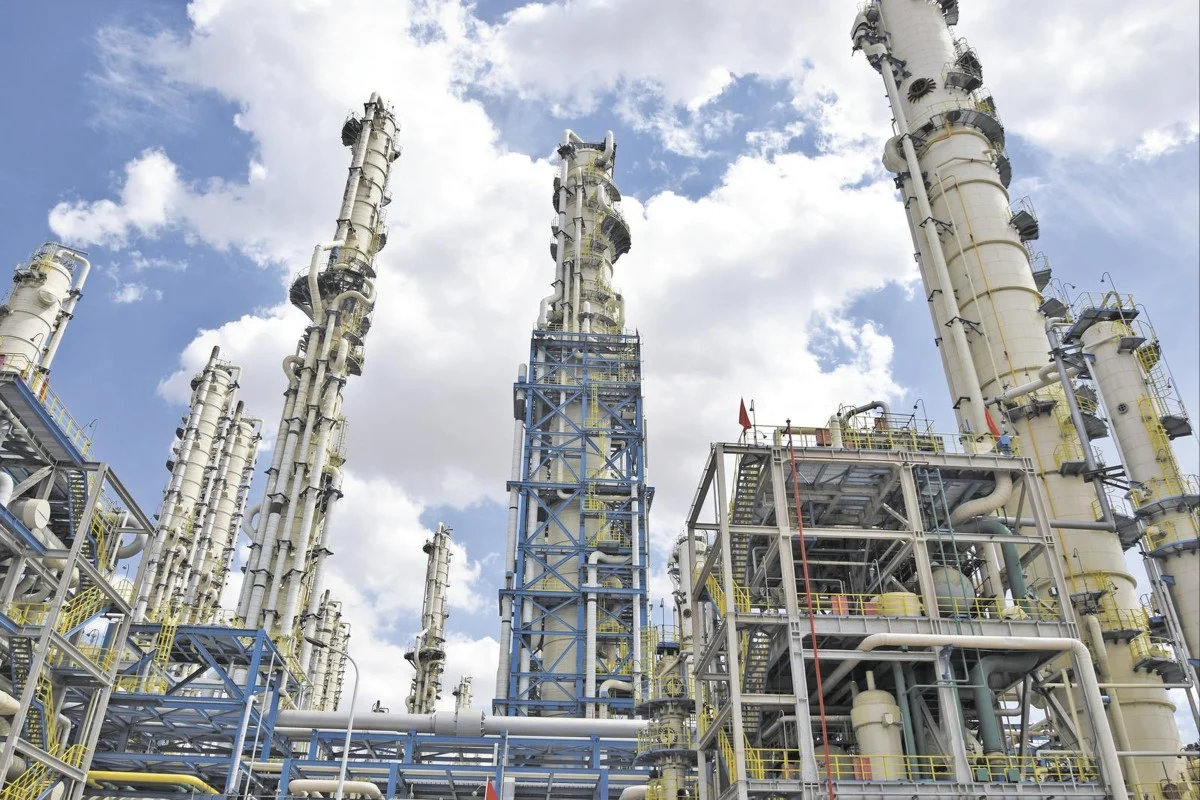
China Energy already operates a coal-to-liquid plant in Inner Mongolia
The Chinese company being considered as a potential technology partner already operates a large coal-to-liquid facility in Ordos of Inner Mongolian Autonomous Region, China.
The Shenhua Ordos Coal Liquefaction Plant, owned by China Energy, processes about 10,000 tonnes of coal per day and produces around 1 million tonnes of fuel annually, according to Mongolia’s Ministry of Industry and Mineral Resources.
The project began construction in 2004 and entered operation in the late 2000s. It uses direct coal liquefaction technology, in which coal is converted into liquid hydrocarbons under high temperature and pressure in the presence of hydrogen.
The Ordos facility is one of the world's best-known examples of commercial-scale direct coal liquefaction.
Inner Mongolia has also developed other coal-to-liquid projects. Yitai Group, another major coal producer in the region, has developed technology that converts coal into synthesis gas before producing liquid fuels through chemical processing.
The development has made Ordos one of China's major centres for coal-based chemical industries.
Inner Mongolia expands coal-based industries
Inner Mongolia is continuing to expand its coal-processing industry as China seeks to make greater use of domestic energy resources.
Reuters reported in June that Inner Mongolia was planning to expand production of oil, gas and chemical products derived from coal as part of a broader push to strengthen energy security.
The region accounts for more than a quarter of China's coal production and Ordos is one of its major coal-producing centres.
Coal-to-liquid technology allows coal to be processed into products including diesel, naphtha and other liquid hydrocarbons. However, the technology also requires substantial amounts of capital, water and energy and has raised concerns over carbon emissions.
These factors are likely to be among the issues that Mongolia will need to examine if the proposed feasibility study moves forward.
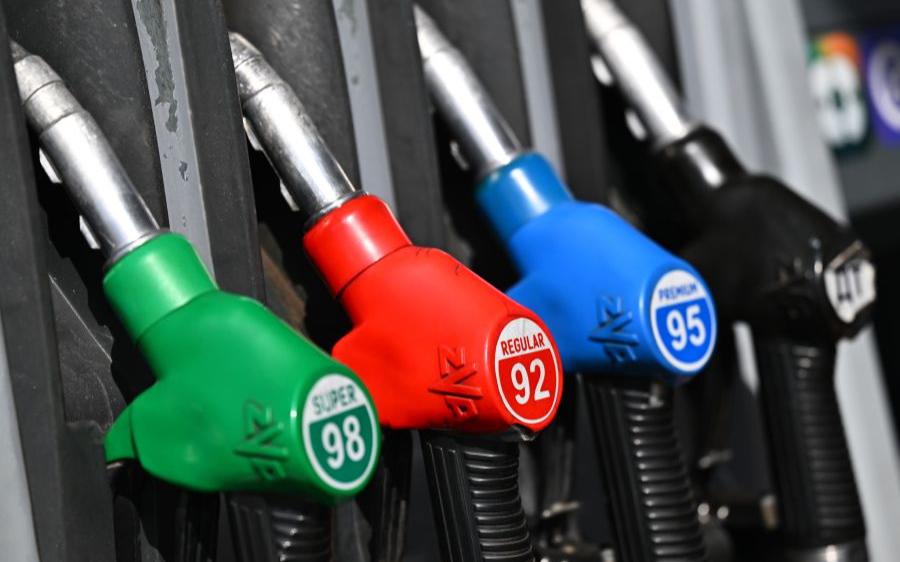
Mongolia imports 97% of its fuel from Russia
The proposed study comes against the backdrop of Mongolia's continued dependence on imported petroleum products.
According to Mongolian authorities, around 97% of Mongolia's petroleum-product imports come from Russia.
The dependence leaves Mongolia vulnerable to disruptions in Russian refinery operations, changes in Russian export policy and fluctuations in regional fuel supplies.
Mongolia experienced fuel shortages earlier this month, prompting restrictions at some filling stations and other measures to manage supplies.
The Mongolian government has also been in talks with Russia over additional fuel deliveries, including supplies of AI-92 gasoline and aviation fuel.
At the same time, Russia itself has faced disruptions in its domestic fuel market.
Reuters reported on August 28 that attacks on several Russian oil refineries had contributed to a decline in gasoline production, with restrictions on fuel purchases reintroduced in some regions.
Russia has also been considering extending restrictions on diesel exports in an effort to protect domestic supplies.
For Mongolia, which relies heavily on Russian fuel, developments in the Russian refining sector can therefore have an immediate impact on its domestic market.
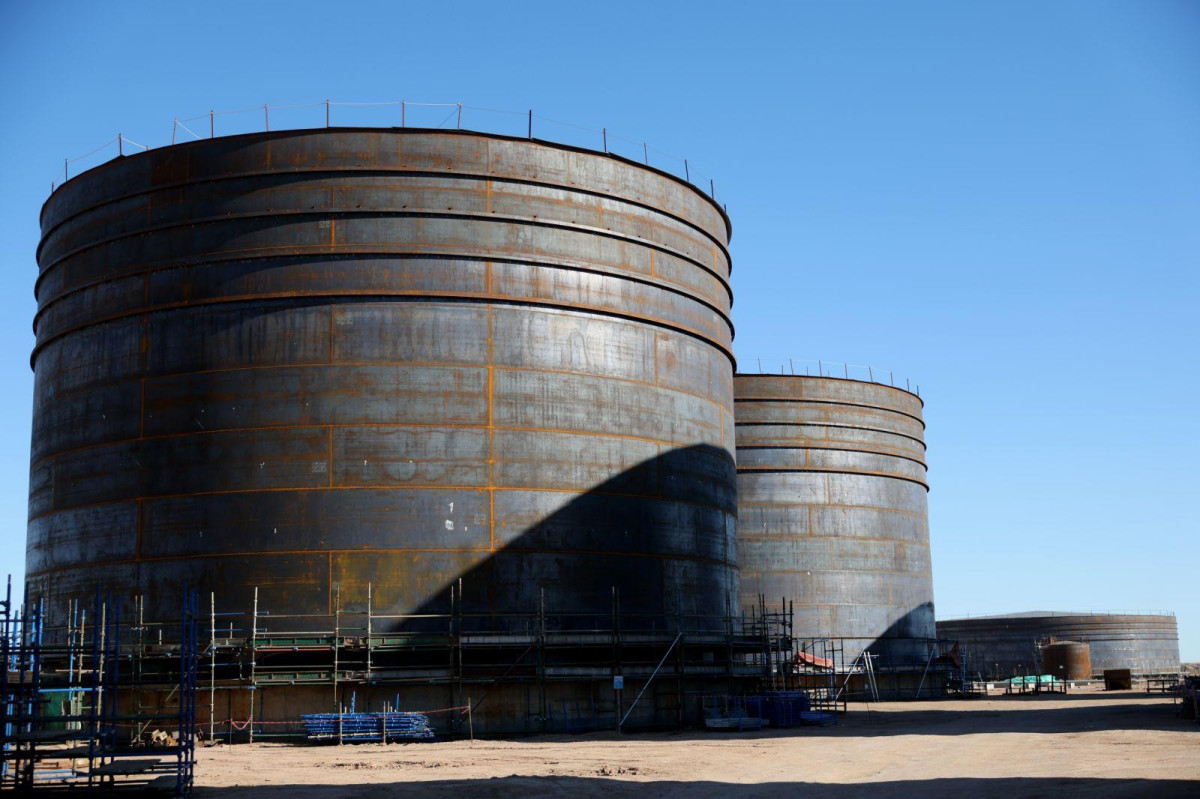
Oil refinery expected to supply 55% of domestic demand
Mongolia is simultaneously developing its first oil refinery in Dornogobi province as a longer-term solution to its dependence on imported fuel.
The refinery, located in Altanshiree soum, is currently targeted for completion in 2028.
The project is designed to process 1.5 million tonnes of crude oil annually and produce:
824,000 tonnes of diesel fuel
396,000 tonnes of AI-95 gasoline
80,000 tonnes of aviation fuel
17,000 tonnes of furnace fuel
27,000 tonnes of liquefied petroleum gas (LPG)
According to government estimates, the refinery could meet approximately 55% of Mongolia's domestic petroleum-product demand once operating at full capacity.
The refinery therefore would significantly reduce Mongolia's dependence on imported fuel, but would not eliminate it entirely.
The government has set 2028 as the target for commissioning the refinery. However, the project has experienced delays in previous years, meaning its schedule remains an issue to watch.
Coal liquefaction has been discussed in Mongolia before
The idea of producing liquid fuels from Mongolia's abundant coal reserves is not new.
Previous studies have examined the possibility of establishing coal-to-liquid facilities near major coal deposits, including Tavantolgoi and Shivee-Ovoo.
The long-term development strategy of Erdenes Mongol, Mongolia's state-owned mining holding company, has also included plans for deeper coal processing and the development of coal-chemical industries at the Tavantolgoi industrial technology park.
Those plans have included the potential production of methanol, ammonia and other chemical and liquid products from coal.
However, Mongolia has not yet developed a commercial-scale coal-to-liquid fuel plant.
The proposed cooperation with China Energy marks a new step because it involves a company that already operates a commercial coal liquefaction facility in neighbouring Inner Mongolia.
Study comes amid renewed fuel shortages
The government is now pursuing two different approaches to reducing Mongolia's fuel-import dependence.
The first is the 1.5-million-tonne-per-year oil refinery in Dornogobi, which is expected to supply more than half of domestic petroleum-product demand if completed and operated at full capacity by second half of 2028.
The second is the newly proposed study into coal-to-liquid technology, which could potentially use Mongolia's large domestic coal resources to produce liquid fuels.
For now, however, the coal-to-liquid proposal remains at the feasibility-study stage. The location, production capacity, type of coal to be used, water and energy requirements, investment costs and technology have yet to be determined.
The immediate pressure comes from Mongolia's current fuel supply situation.
With around 97% of petroleum-product imports sourced from Russia, disruptions in the neighbouring country's refining and export markets can quickly affect Mongolia.
The latest fuel shortages have therefore renewed attention on the country's long-standing effort to develop domestic sources of transport fuel — including the possibility of turning its abundant coal reserves into liquid fuel.
Холбоотой сэдвүүд
Санал болгох






Сэтгэгдэл бичих
Та сэтгэгдэл бичихдээ бусдад хүндэтгэлтэй хандана уу. Ёс бус сэтгэгдлийг Peak.mn сайт устгах эрхтэй.