Mongolia Assesses Plague Risk as "Low" Following Unconfirmed Siberian Lab Incident
 Ч.Сумъяабазар
10 сарын 08, 2026

ULAANBAATAR, Mongolia – Public health authorities in Mongolia have completed a rapid risk assessment regarding suspected plague cases in Russia's Irkutsk region, officially concluding that the threat level to Mongolia remains "LOW."
The assessment was conducted jointly by the Ministry of Health, the General Customs Administration, the National Center for Zoonotic Diseases (NCZD), the National Center for Communicable Diseases, and the National Center for Public Health under Joint Order A/218/134 of the Minister of Health and the Deputy Prime Minister of Mongolia.
Incident Overview in Irkutsk
Reports surfaced on October 2, 2026, across Mongolian and Russian media platforms alleging that a 28-year-old female laboratory worker at the Irkutsk Anti-Plague Research Institute of Siberia and the Far East had died from pneumonic plague. Speculation indicated that she might have broken a vial containing live pathogens or contracted the infection during a recent field assignment in Buryatia, near the Mongolian border.
Following formal inquiries sent by Mongolia’s NCZD to the institute, Russia's Federal Service for Surveillance on Consumer Rights Protection and Human Wellbeing (Rospotrebnadzor) provided official clarification denying the presence of plague.
According to official notifications and reports published by RIA Novosti on October 4, 2026, state health regulators confirmed that no lab safety violations or containment breaches took place at the institute. Laboratory screenings of the deceased patient returned negative for Yersinia pestis and related high-consequence pathogens. The official cause of death was established as "pneumonia of unknown etiology."
Local Precautionary Measures in Russia and International Oversight
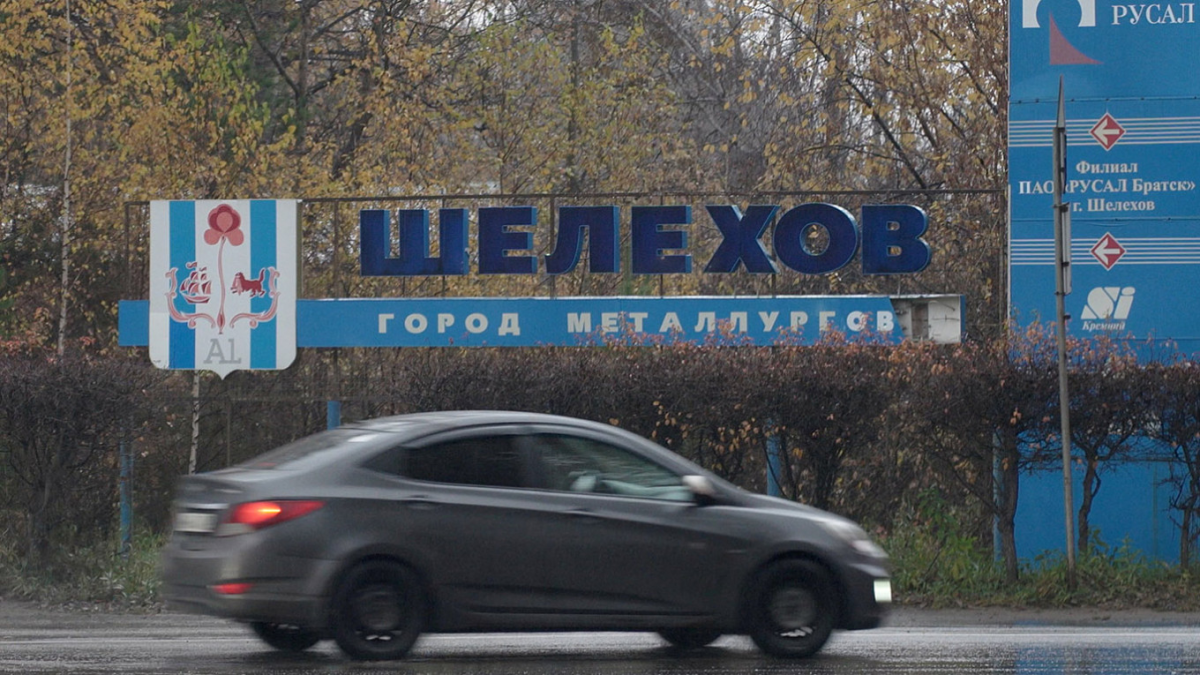
While Russian federal authorities and local officials maintained that the epidemiological situation across Irkutsk and Shelekhov remains calm, precautionary quarantine measures were instituted locally. Nearly 200 potential contacts were placed under medical observation, and the Shelekhov District Hospital underwent a temporary quarantine protocol. By October 6, 2026, regional officials reported that over 60 percent of observed individuals were discharged after repeatedly testing negative for dangerous pathogens, though isolated cases of COVID-19 and rhinovirus were identified.
The World Health Organization (WHO) has requested further details from Russian authorities to verify compliance with International Health Regulations.
Mongolia's Preventive Measures and Border Surveillance
Despite determining the overall national risk to be low, the Ministry of Health of Mongolia has instructed relevant public agencies to remain on high alert and implement ongoing surveillance measures:
National Center for Zoonotic Diseases (NCZD): Instructed to maintain continuous communication with the Irkutsk Anti-Plague Research Institute, execute daily digital monitoring of international public health developments, and promptly inform local Mongolian agencies of potential biological risks.
General Customs Administration: Directed to strengthen health screening protocols at international border crossing points along Russia, secure critical medical stockpiles, and ensure uninterrupted flow of information exchange among public agencies.
Border Checkpoints in Selenge Province: Border crossing operations in Selenge province remain normal, with health screening and active surveillance fully operational at all entry points.
The Ministry of Health pledged to continue monitoring the situation alongside government agencies and provide timely, verified public updates as new information emerges.
Холбоотой сэдвүүд
Санал болгох







Сэтгэгдэл бичих
Та сэтгэгдэл бичихдээ бусдад хүндэтгэлтэй хандана уу. Ёс бус сэтгэгдлийг Peak.mn сайт устгах эрхтэй.