Frustrated Drivers Block Central Ulaanbaatar Over Chronic Fuel Shortages and Surging Prices
 Ч.Сумъяабазар
10 сарын 02, 2026

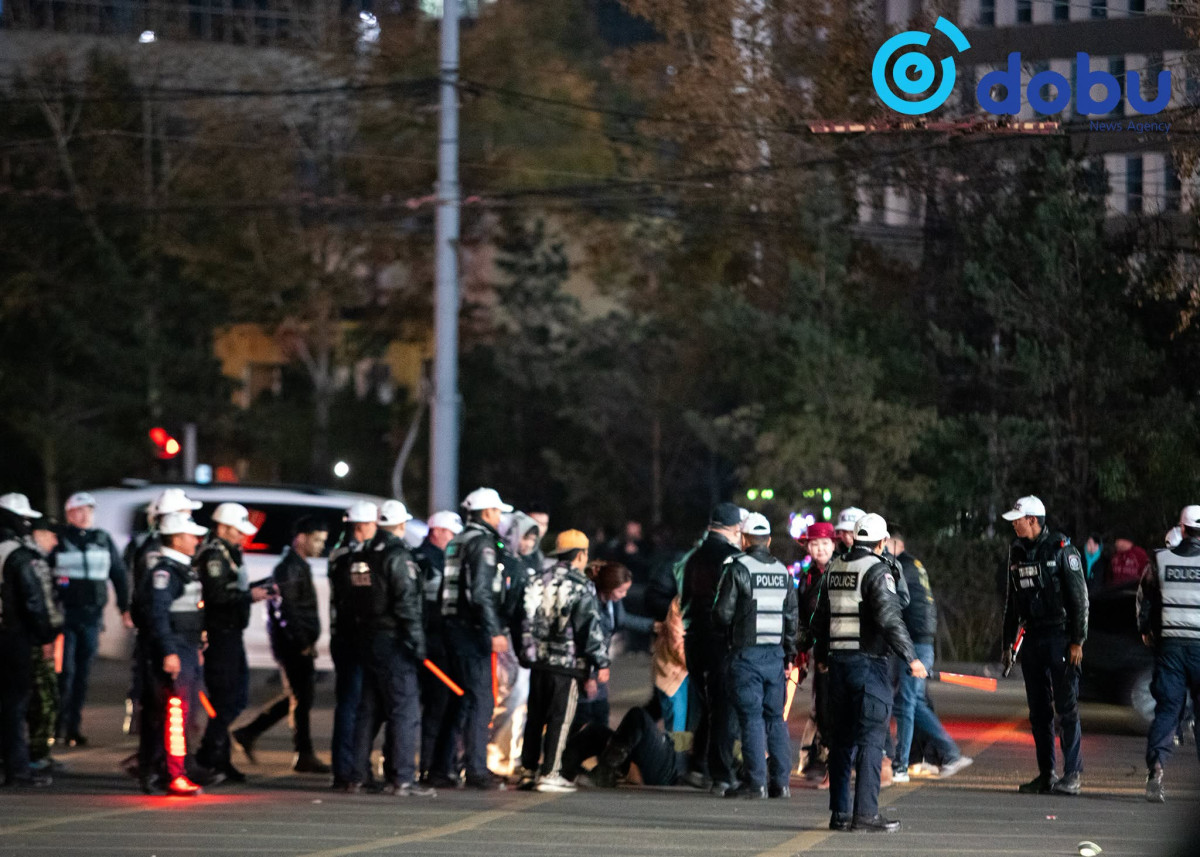
ULAANBAATAR, Mongolia – Drivers and citizens gathered on October 1, 2026, on the main avenues surrounding Sukhbaatar Square in central Ulaanbaatar to stage a protest against acute nationwide gasoline shortages and rising living costs.
The demonstration was grass-roots and self-organized by frustrated motorists, drivers, and local citizens who coordinated over social media platforms. Protesters voiced anger over hours-long queues at petrol stations, daily purchase restrictions, and escalating fuel prices impacting households across the country.
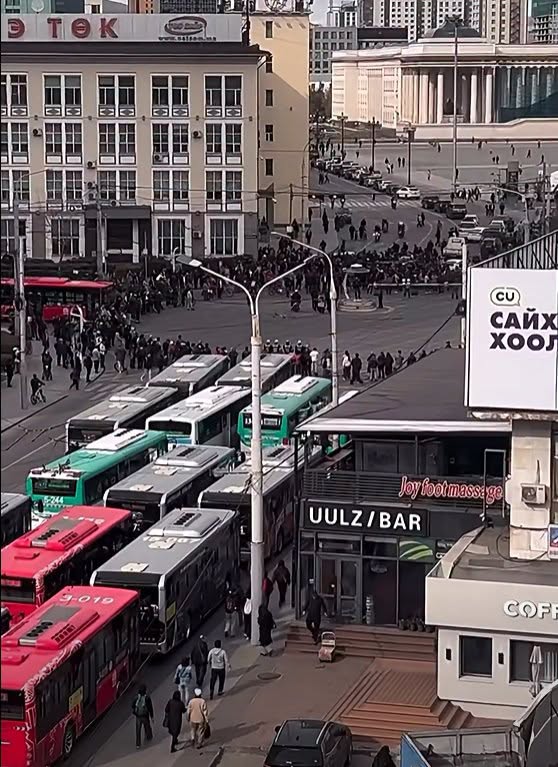
The motorcade and pedestrian demonstration lasted for approximately six hours, starting in the early afternoon and stretching into the late evening. Key thoroughfares—including Peace Avenue and the perimeter roads around the Sukhbaatar Square—were heavily congested or blocked for nearly five hours. Traffic Police issued urgent warnings to organizers to free up lanes for emergency vehicles. While emergency service routes faced severe delays due to gridlock, police and traffic authorities worked to clear priority corridors to allow ambulances and fire engines to navigate through adjacent streets.
According to preliminary estimates by law enforcement and local media, between 1,000 and 2,000 people and hundreds of vehicles participated in the rally throughout the afternoon. Protesters demanded that the government take immediate steps to stabilize fuel supply channels, stop price gouging, and establish long-term energy independence.
Current Fuel Crisis and Multi-Year Price Trends
The protest comes as Mongolia navigates its worst fuel crisis in recent years, triggered by severe supply disruptions and export curbs from Russia, which supplies over 95 percent of Mongolia's refined petroleum products. In August and September 2026, fuel reserves dropped to critical levels, forcing gas stations across Ulaanbaatar to introduce alternating sales days based on license plate numbers and limit daily sales to MNT50,000 per customer. Although emergency shipments from Russia and China slightly replenished state reserves to 11 days of consumption by late September, rural provinces and capital pumps continue to experience volatile supply and sudden closures.
Rising pump prices have compounded the shortage. Over the past three years, fuel costs in Mongolia have climbed dramatically due to global oil market volatility, currency depreciation of the Mongolian togrog, and higher regional import tariffs:
AI-92 Gasoline: Prices have increased by over 40 percent in recent years, rising from around MNT2,390 per liter in early 2022 to MNT3,300–MNT3,500 per liter in 2026.
Diesel Fuel: Diesel has experienced even steeper hikes due to heavy mining and freight logistics demand, soaring from approximately MNT2,800 per liter in 2022 to over MNT4,600–MNT4,700 per liter in September 2026.
With double-digit national inflation caused by increasing fuel price placing immense pressure on household budgets, citizens are calling on the Cabinet to accelerate domestic refinery projects and secure firm long-term transit guarantees with regional trade partners.
Strategic Imperative: The Mongol Refinery Project
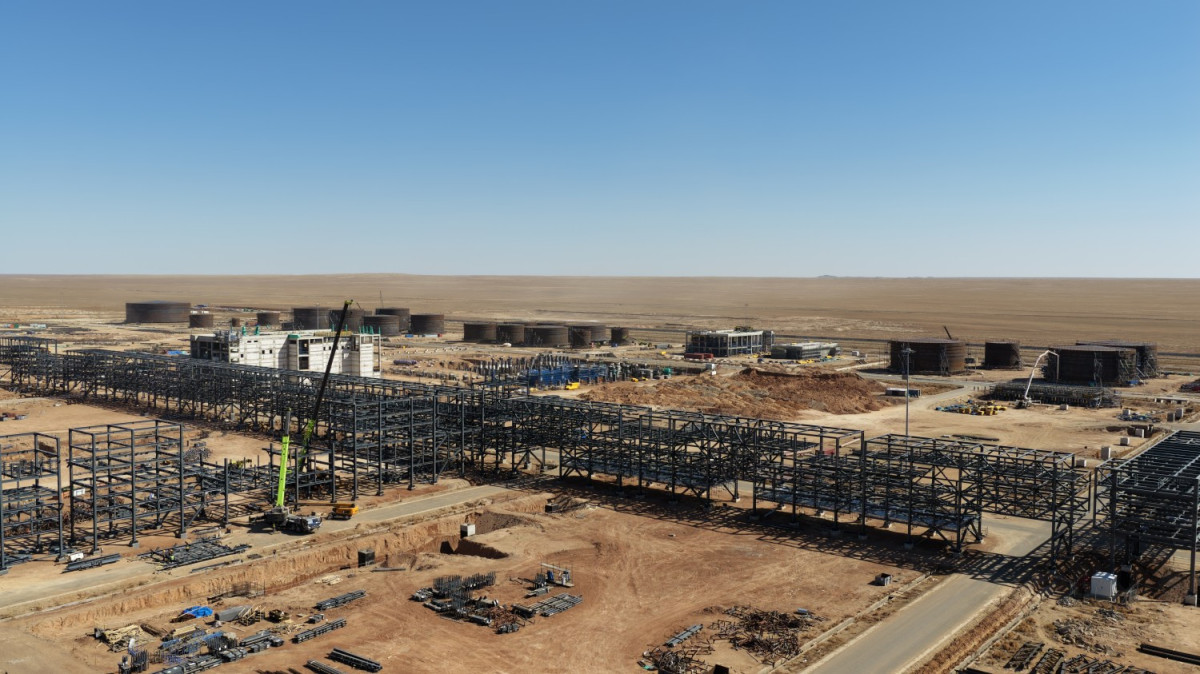
To permanently resolve recurring fuel shortages and shield the economy from external supply shocks, the Mongolian government is accelerating the construction of the petroleum storage tank farms across the country, and most importantly the speeding the construction of the Mongol Refinery Project in Altanshiree soum, Dornogobi province. State-owned Mongol Refinery State Owned LLC is implementing the country’s oil refinery, financed primarily through a $1.2+ billion soft line of credit from the Government of India via the EXIM Bank of India. India’s Megha Engineering & Infrastructures Limited (MEIL) serves as the primary Engineering, Procurement, and Construction (EPC) contractor, supported by Engineers India Limited (EIL) as Project Management Consultant.
The refinery was projected to be completed in 2025, but the disruption of the construction and financing of the project kept the refinery be delayed until 2028. Once operational, the refinery will supply around 50 percent of the domestic demand.
Санал болгох








Сэтгэгдэл бичих
Та сэтгэгдэл бичихдээ бусдад хүндэтгэлтэй хандана уу. Ёс бус сэтгэгдлийг Peak.mn сайт устгах эрхтэй.