Global Science-Policy Nexus Takes Center Stage as UNCCD COP17 Hosts Joint CST and CRIC Session in Ulaanbaatar
 Ч.Сумъяабазар
08 сарын 19, 2026

ULAANBAATAR, MONGOLIA — In a pivotal joint session uniting scientific rigour with policy implementation, the 17th Conference of the Parties (COP17) to the United Nations Convention to Combat Desertification (UNCCD) convened the fourth meeting of the Committee on Science and Technology (CST) alongside the fifth meeting of the Committee for the Review of the Implementation of the Convention (CRIC).
Held under the overarching COP17 theme, "Restoring Land, Restoring Hope," the joint session focused on bridging the gap between land degradation science and actionable, policy-level reporting. Delegates from across the globe gathered to review enhanced reporting mechanisms, data integration protocols, and decentralized technical support models essential for the upcoming 2026 UNCCD national reporting cycle.
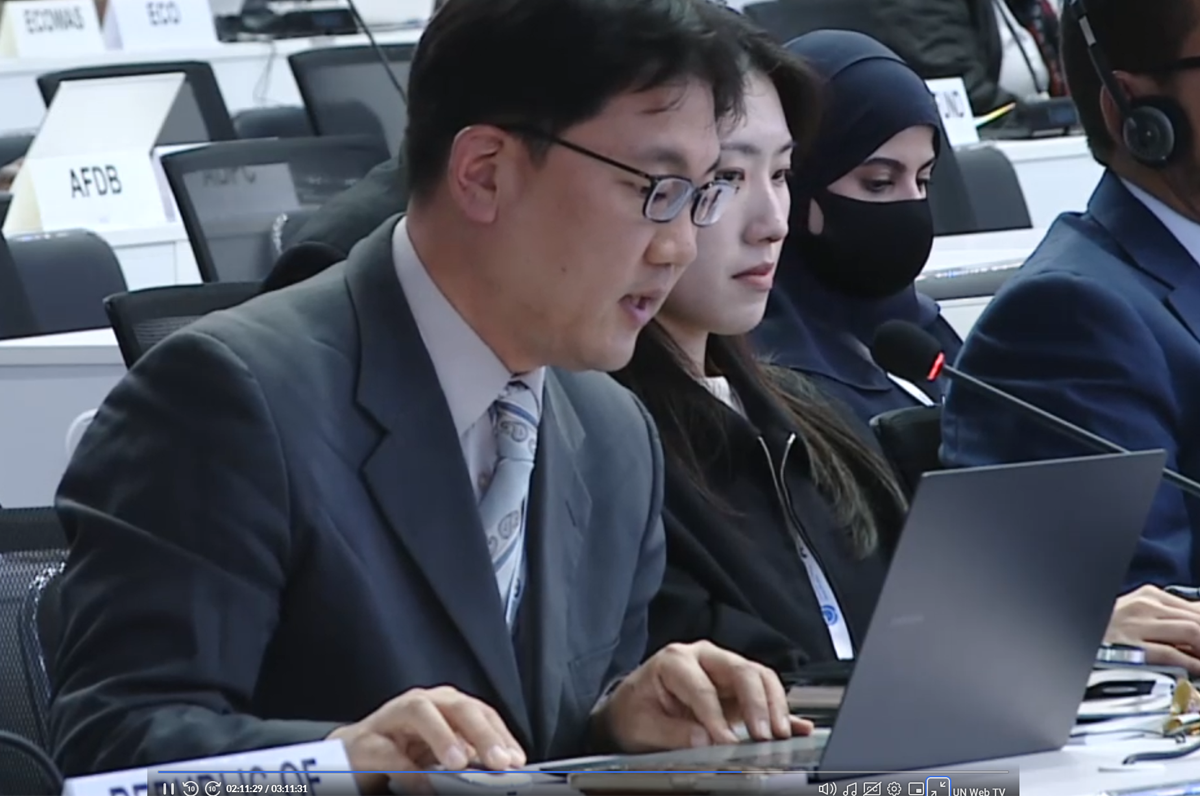
Streamlining Reporting Mechanisms and Science-Policy Alignment
Opening the session, the CRIC Chair alongside the Chair of the Committee on Science and Technology emphasized that robust, scientific reporting forms the backbone of global land restoration targets and Sustainable Development Goal (SDG) Target 15.3 on Land Degradation Neutrality (LDN).
Before turning to technical agenda items, delegates were reminded of administrative deadlines, with delegations urged to finalize credentials ahead of formal consideration by the Conference of Parties.
The core focus of the joint meeting centered on Agenda Item 3: Improving procedures for the communication of information as well as the quality and formats of reports to be submitted to the Conference of the Parties. As land degradation, drought, and desertification accelerate globally, the demand for timely, high-resolution, and standardized data has never been more urgent.
Rollout of Decentralized Support Hubs for 2026 Reporting Cycle
A key highlight presented by the UNCCD Secretariat was the official progress update following mandates established at COP16 and intersessional reviews at CRIC-23 in Panama. To ensure member states can meet the rigorous monitoring requirements for the 2026 reporting cycle, the Secretariat unveiled a newly established decentralized support model.
This innovative framework connects national reporting teams with a global network of specialized technical advisors and regional support hubs. Coordinated directly by the UNCCD Secretariat, these hubs are structured to offer:
Methodological Guidance: Assisting national experts in harmonizing local datasets with global satellite observation standards.
Context-Specific Assistance: Tailoring reporting frameworks to match distinct ecological zones, ranging from hyper-arid deserts to fragile mountain biomes.
Capacity Building: Elevating national technical proficiency to ensure long-term, self-sustained monitoring and assessment capabilities.
By combining global scientific methodologies with regional expertise and national policy priorities, the decentralized model aims to eliminate historical reporting bottlenecks while enhancing data accuracy across all participating nations.
Global Environment Facility (GEF) and UNEP Drive Strategic Investments
The Secretariat detailed significant financial and operational backing from international partners, led by the Global Environment Facility (GEF), the United Nations Environment Programme (UNEP), and the Food and Agriculture Organization (FAO).
To date, funding and institutional mechanisms have mobilized support across more than 130 countries:
UNEP Umbrella Projects: Direct support for national reporting mechanisms across 113 countries.
FAO Dedicated Pilot Project: Targeted reporting and monitoring assistance tailored for 21 nations.
Regional Capacity Workshops: Seven regional workshops hosted worldwide, training 344 national focal points and technical specialists from 155 countries.
In addition, three dedicated GEF Medium-Sized Projects (MSPs) are underway to enhance the availability of high-resolution spatial data. These projects provide countries with advanced tools to track land degradation trends, land cover shifts, and soil organic carbon content with unprecedented precision.
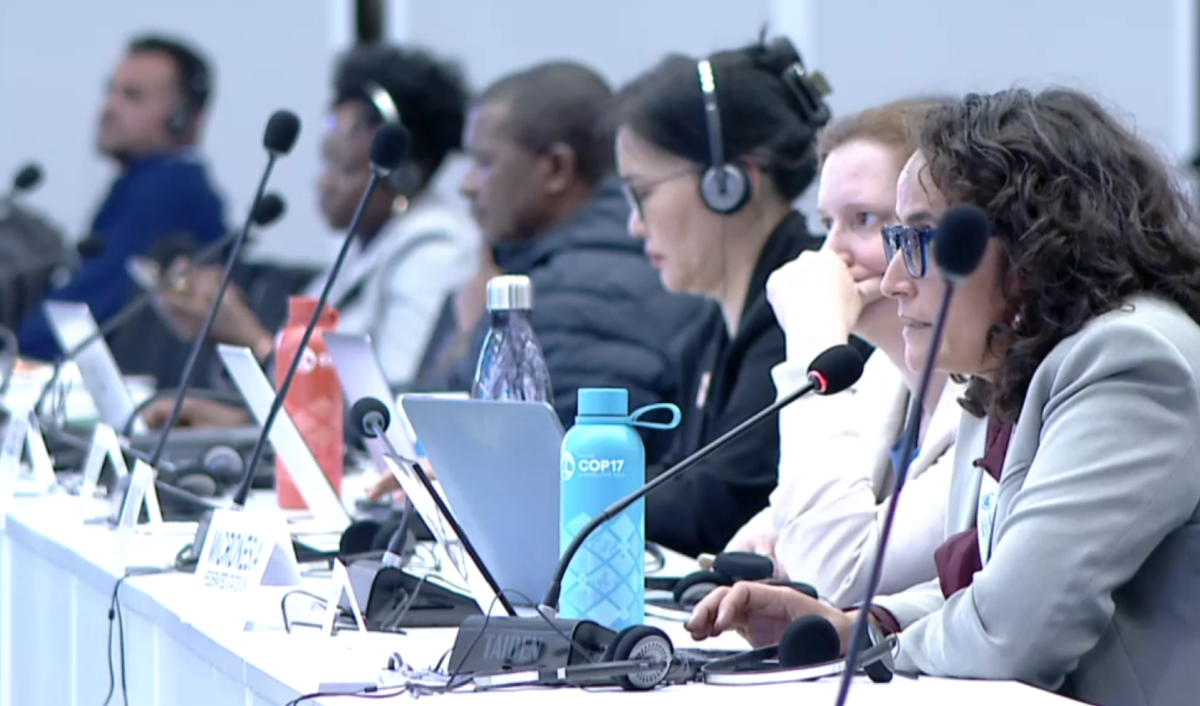
Interactive Dialogue: Uniting Technical Innovation with Regional Realities
Following the Secretariat’s introductory presentation, the joint session transitioned into an interactive dialogue between committee leaders, scientific panel experts, regional hubs, and state delegates.
Discussions emphasized that technical reporting is not merely a bureaucratic requirement, but an indispensable policy instrument. Scientifically robust national reports enable governments to pinpoint degradation hot spots, allocate restoration funding effectively, and evaluate the real-world impact of land management policies.
Delegates praised the integration of national and global datasets, noting that peer-to-peer knowledge exchanges facilitated during regional workshops had markedly improved regional data alignment. However, several representatives from developing nations and Small Island Developing States (SIDS) highlighted ongoing challenges, including remote sensing data access, local technical capacity constraints, and the need for sustained financing beyond reporting deadlines.
In response, representatives from the UNCCD Secretariat and partner agencies reaffirmed their commitment to providing continuous technical backstopping throughout the entire 2026 cycle.
Looking Ahead at COP17
As the joint CST and CRIC deliberations concluded, co-chairs reiterated that the quality of science brought into the UNCCD process directly dictates the strength of global political commitments. The finalized recommendations from this joint session will feed into draft decision text to be considered before the conclusion of COP17 on August 28.
With Ulaanbaatar serving as the global capital for land restoration this fortnight, the collaboration between science and policy demonstrated in today’s CST-CRIC meeting marks a decisive step toward turning global monitoring data into actionable ground-level restoration.
Холбоотой сэдвүүд
Санал болгох