COP17: The Human Cost of Drought, in Numbers: What Ministers Told at Drought Session
 Ч.Сумъяабазар
08 сарын 26, 2026

ULAANBAATAR, Mongolia — Drought affects about 55 million people directly every year, and nearly four billion people go without enough water for at least a month at a time, according to figures cited by South Africa's delegation at a ministerial dialogue on drought resilience held Tuesday at COP17. Behind those totals, more than 40 countries stood up one by one to explain what drought looks like on the ground — and increasingly, what it costs.
In Ecuador, the reckoning came in 2024, when falling reservoir levels crippled the country's hydroelectric grid. "Each hour of electricity rationing represented US$12 million of losses to the national economy," the delegate told the room. Costa Rica described a similar shock: water makes up 72% of its renewable energy mix, but during recent droughts, water levels in the basins feeding its hydroelectric plants fell by 50 to 70%, forcing the country back onto fossil fuel backups.
For low-lying island nations, the numbers are about survival, not economics. Kiribati, an atoll nation just three meters above sea level with no rivers or lakes, declared a national disaster over drought in 2022. "For frontline nations like ours, drought is not a seasonal inconvenience. It is an existential risk," its delegate said. In Timor-Leste, officials said 45% of people struggle to access safe water, and 24% still lack basic access at all — a burden that falls hardest on women and girls, who walk for hours each day to fetch it.
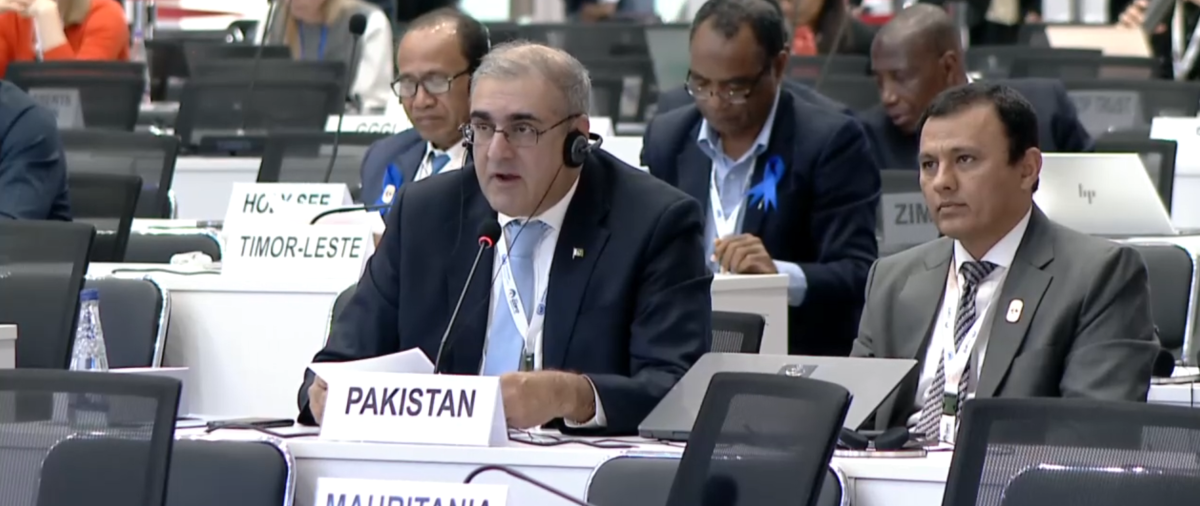
Pakistan's delegate put a number on the scale of exposure at home: roughly 6 million hectares affected by drought, touching an estimated 64.5 million people — on top of catastrophic floods in 2022 that displaced more than 33 million. Azerbaijan said the duration of its droughts has risen 90% over the past decade. In South Sudan, more than seven million people are currently facing acute food shortages as floods and drought strike different parts of the country at once.
Some countries pointed to what investment can achieve. Botswana said it has restored over 600,000 hectares of degraded land so far, working toward a target of 25 million hectares by 2030, while tripling its conservation revenues from US$1.8 million to US$7.8 million a year. Bangladesh is re-excavating roughly 20,000 kilometres of waterways over five years and planting 250 million tree saplings. Kyrgyzstan pointed to a low-cost fix drawn from mountain tradition: seven hand-built artificial glaciers in the Batken region now hold 1.5 million cubic metres of ice for release during dry months.
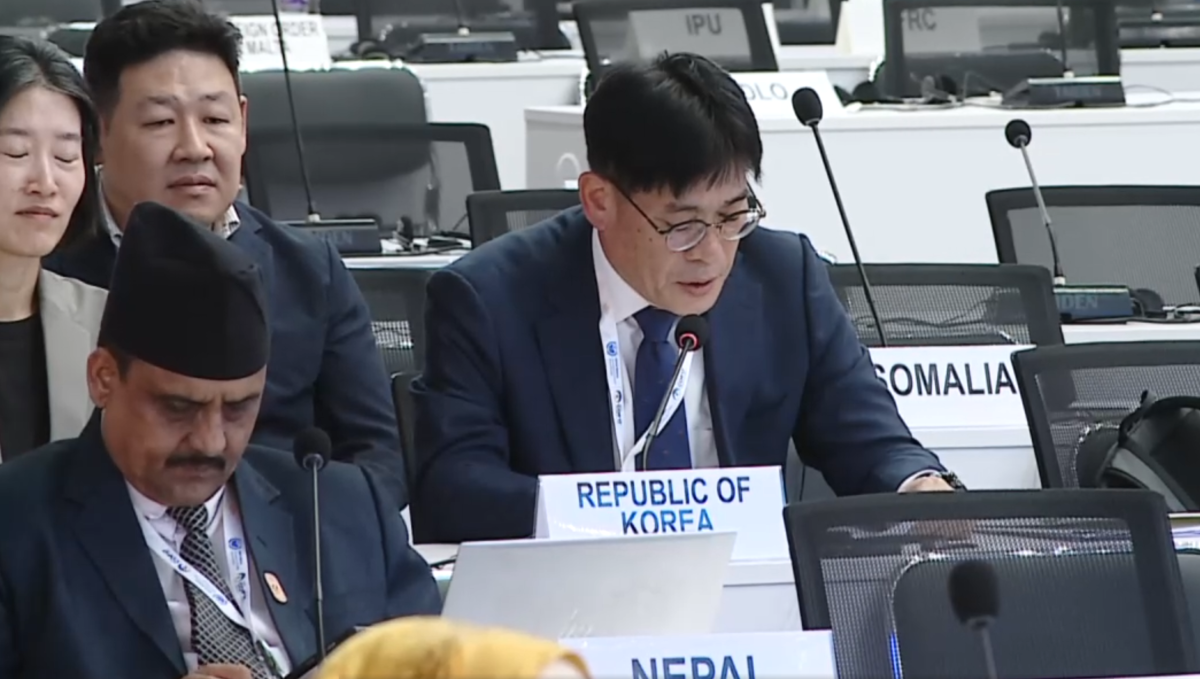
But the price tag for resilience is steep. Portugal's new national water strategy alone calls for €5 billion in investment by 2030, of which about €2 billion has been secured so far. And the Republic of Korea's delegate warned that without action, the bill will only grow: a United Nations report cited during the session estimates that if global temperatures rise 3°C by 2100, economic losses from drought could increase fivefold from current levels.
Several delegations, including South Africa, Algeria and Togo, used the figures to press for something COP17 has not yet delivered — a binding global instrument on drought, rather than the patchwork of voluntary national plans described throughout the day. As Togo's delegate put it: "We must make sure that we move from lip service to commitments being respected."
Холбоотой сэдвүүд
Санал болгох







Сэтгэгдэл бичих
Та сэтгэгдэл бичихдээ бусдад хүндэтгэлтэй хандана уу. Ёс бус сэтгэгдлийг Peak.mn сайт устгах эрхтэй.