Mongolia Assesses Numrug Strictly Protected Area Wildfire Damage at MNT 3.35 Trillion
 Ч.Сумъяабазар
11 сарын 25, 2026

ULAANBAATAR, Mongolia – The Government of Mongolia reviewed the preliminary ecological and economic damage assessment of the devastating wildfire that swept through the Numrug Strictly Protected Area (SPA) in Khalkhgol soum, Dornod province, during its regular Cabinet session today, November 25, 2026.
Presenting the findings of the inter-agency working group to the Cabinet, Minister of Environment and Climate Change Ts. Sandag-Ochir reported that the blaze—which raged from October 8 to October 16—scorched a total area of 484,383.7 hectares. Of the total affected territory, 431,592.8 hectares fell directly within the Numrug Strictly Protected Area, devastating 73.4 percent of the protected zone, alongside 52,790.9 hectares in its surrounding buffer zone.
Damage Valuation and Firefighting Expenses
According to the field assessment conducted by nearly 50 specialists and officials between October 23 and November 3 across the basins of Zadgait, Khonit, Azarga Mountain, Soyolz Mountain, Khanchandmani, Khotol Lake, and the Numrug and Degee rivers, baseline environmental damage was calculated at MNT 1.2 trillion. However, under Mongolian legislation that mandates a threefold multiplier for damages inflicted upon State Specially Protected Areas, the total ecological damage valuation reached MNT 3.3 trillion or US$928 million.
In addition to ecological losses, direct operational expenses incurred during firefighting and field survey operations totaled MNT 367.6 million. These emergency funds were mobilized from the Local Development Fund, the Governor’s Reserve Fund, the Dornod Provincial Emergency Management Department, Border Guard Unit No. 0198, and the Numrug SPA Administration.
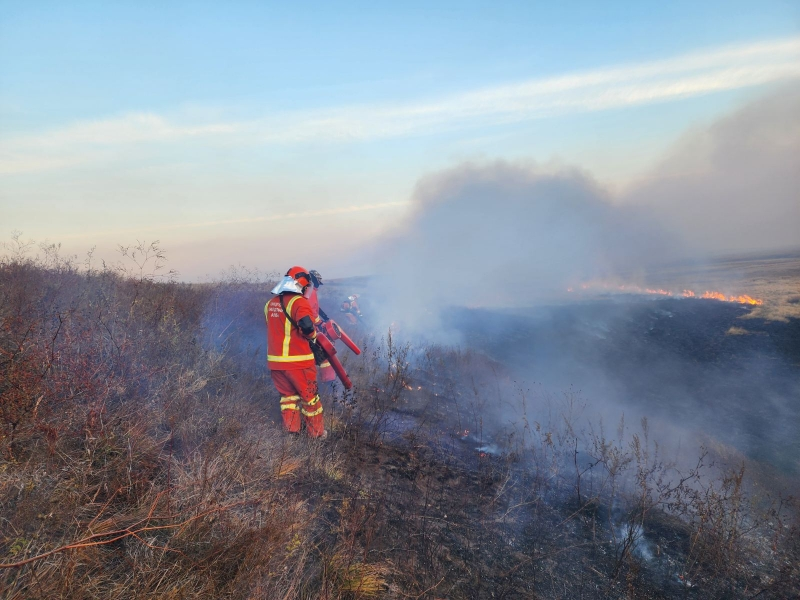
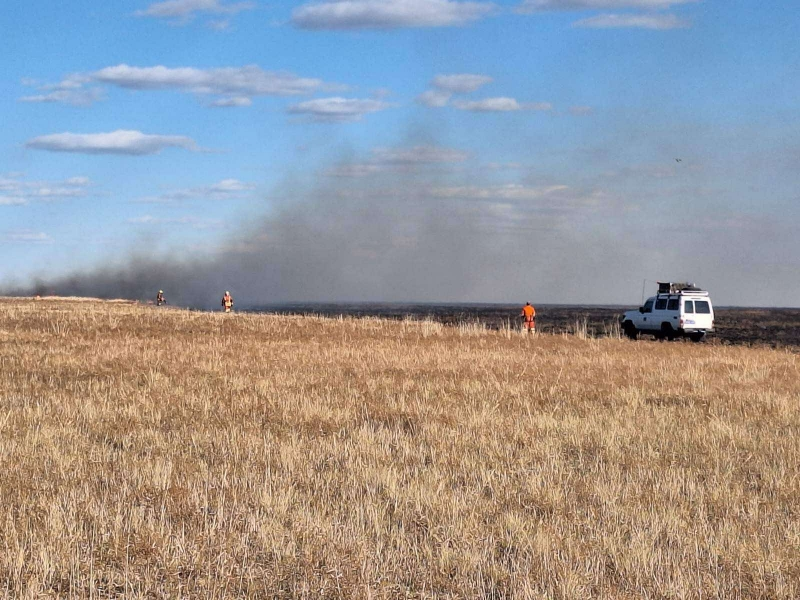
A total of 109 personnel and 18 vehicles took part in the firefighting operations, drawing on the National Emergency Management Agency's Dornod, Umnugovi, Dornogobi, and Khentii provincial departments; Fire and Rescue Unit No. 47 in Erdenetsagaan soum of Sukhbaatar province; Border Guard Unit No. 0198 of the Mongolian Armed Forces; Fire and Rescue Unit No. 62 in Khalkhgol soum; the soum's specialized response unit; and the protection team of the Numrug Strictly Protected Area.
Addressing the media following the Cabinet briefing, Minister Ts.Sandag-Ochir emphasized that the figures represent an initial assessment and that legal proceedings are actively underway:
“This is not the final ruling; it is the preliminary report of the working group. Under the Law on Strictly Protected Areas, the damage valuation is multiplied threefold, bringing the estimated total to MNT 3.3 trillion. The damage assessment act has been submitted to the competent law enforcement authorities, and the matter is currently under legal investigation.”
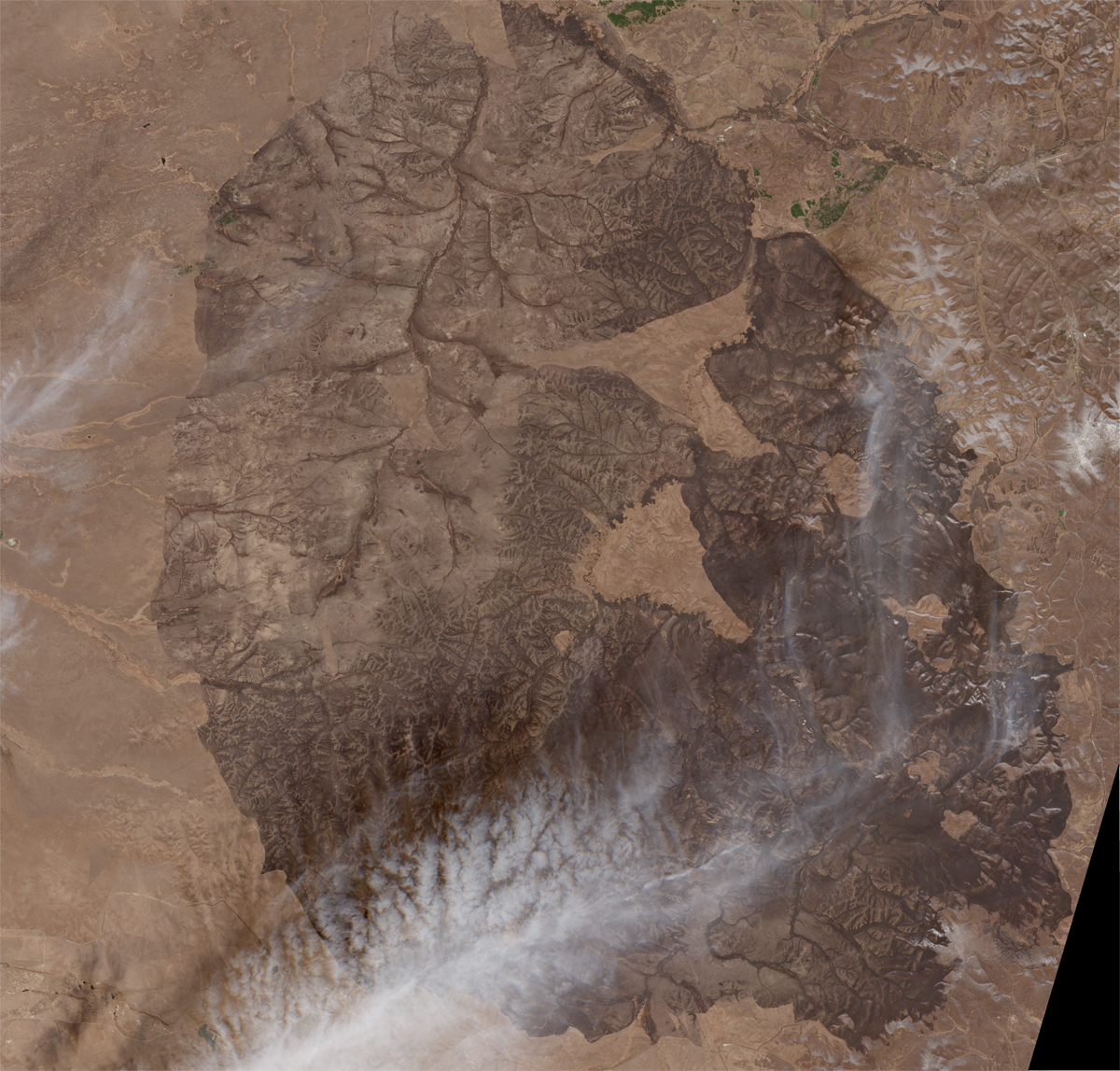 Satellite image of scorched area
Ecological Impact on Forests, Soil, and Wildlife
The working group’s report detailed severe disruptions to the region's forest, forest-steppe, meadow, and river floodplain ecosystems:
Forest and Vegetation Loss: A total of 14,690 hectares of forested land was burned. Across the entire burned zone, 29.1 percent (140,862.7 ha) suffered low-severity burns, 54.1 percent (261,991.8 ha) sustained moderate burns, 16.7 percent (81,113.4 ha) suffered high-severity burns, and 0.1 percent (415.8 ha) experienced extreme burn severity.
Soil and Water Degradation: In the roughly 81,500 hectares hit by high and extreme fires, vegetation cover was completely destroyed and organic topsoil burned away, reducing soil carbon and heightening wind and water erosion risks. While overall water quality remained within normal limits, suspended particulate levels at certain river monitoring points spiked 4 to 7.8 times above baseline measurements.
Wildlife Habitat: Although no confirmed fatalities of large mammals were recorded during the survey, experts noted severe depletion of winter grazing pastures and natural feed reserves. Earlier this month, the Cabinet allocated MNT 629 million from the Government Reserve Fund to deliver emergency hay and fodder to sustain wildlife in the reserve.
Liability and Legal Accountability
The wildfire was triggered by human negligence linked to a group of executives and staff traveling in the protected zone, including leadership and personnel associated with mobile telecommunication operator Mobicom Corporation, a majority-owned by Japanese telecom giant KDDI.
Under the official damage act approved by the Governor of Khalkhgol soum, authorities ruled that the MNT 367.6 million in direct firefighting and operational costs must be reimbursed by the liable parties by December 1, 2026. All assessment acts and evidentiary materials were formally transferred to law enforcement agencies on November 14 for criminal and civil investigation under Article 24.7 of the Criminal Code regarding forest and steppe fires, which carries penalties including imprisonment and full financial restitution.
Next Steps for Rehabilitation
To restore ecological balance and prevent long-term soil and watershed degradation, the working group concluded that a scientifically grounded, multi-stage rehabilitation and monitoring program is required. Preliminary estimates indicate that MNT 83.97 billion in funding will be needed to support natural regeneration, protect vulnerable high-risk zones, restore wildlife habitats, and conduct long-term environmental monitoring across the Numrug Strictly Protected Area.
Source: mongolia.gov.mn
Санал болгох




Сэтгэгдэл бичих
Та сэтгэгдэл бичихдээ бусдад хүндэтгэлтэй хандана уу. Ёс бус сэтгэгдлийг Peak.mn сайт устгах эрхтэй.